Val d’Orcia: Time, Soil, and the Ancient Clay of Tuscany
A meditation on southern Tuscan terroirs, biodynamic cellars, and the agrarian geometry of the Crete Senesi.
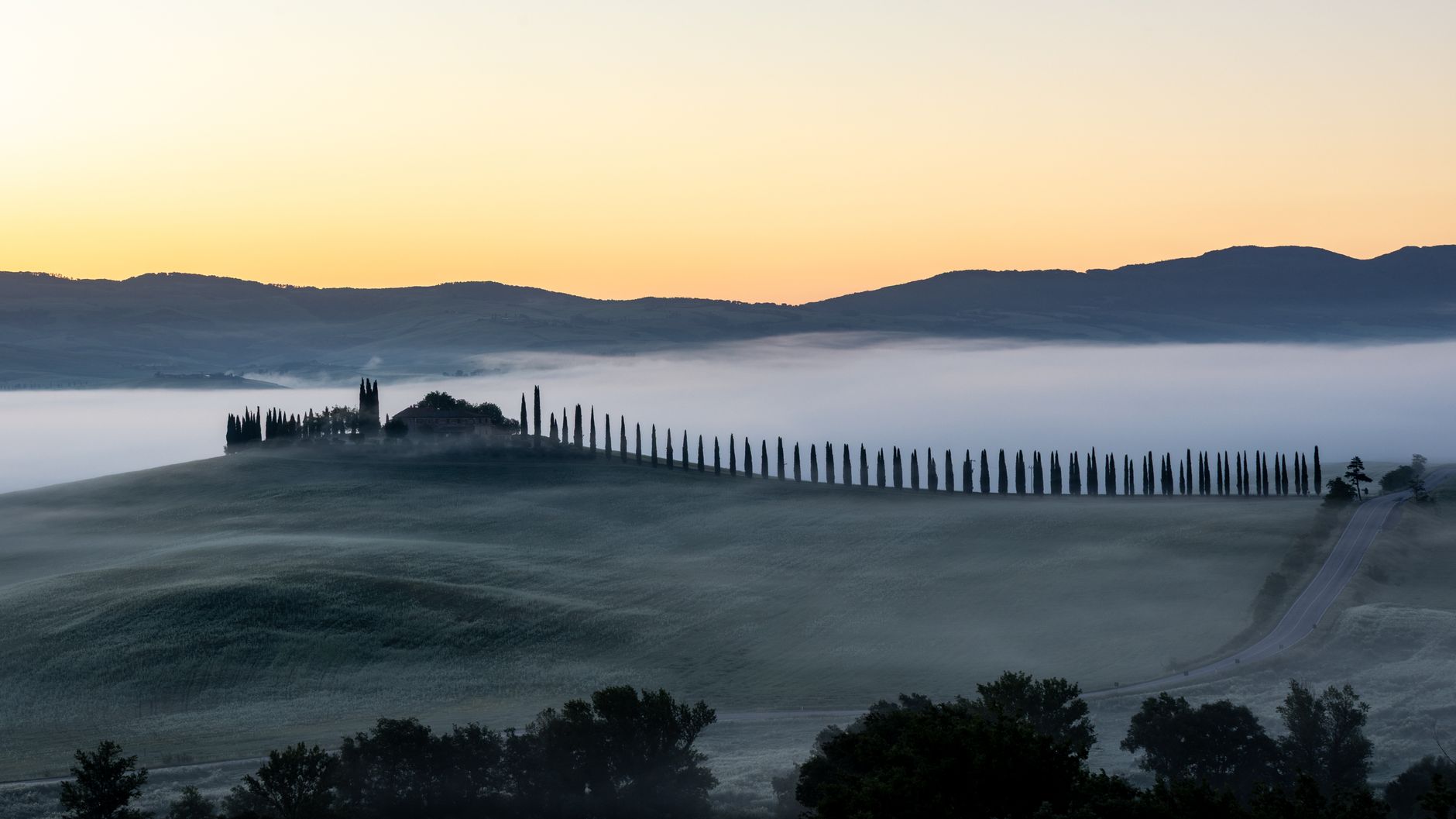
The southern reaches of Tuscany possess a geometric tranquility unique in Europe. The clay hills—known locally as biancane—undulate like frozen ocean swells, punctuated only by rows of pencil cypress trees standing as solemn guardians against the Mediterranean sky.
Our field editors spent fourteen days resident inside an 18th-century stone podere outside Monticchiello. Here, agricultural pacing remains governed by lunar calendars and seasonal rains. Cellar masters still ferment Sangiovese grapes in untreated terracotta amphorae buried under limestone vaults, avoiding chemical stabilization in favor of biological patience.
"Wine here is not an industrial commodity, but the preserved mineral autobiography of Tuscan bedrock."
The Terroir of Pienza
In adjacent Pienza, the air is suffused with the scent of wild thyme and aged pecorino sheep milk curds. Walking the cobbles at twilight, you recognize that the renaissance aesthetic vision was never detached from farm production; rather, human architecture and cultivated land were drafted as harmonious partners.
- The Seasonal Highlight: Mid-autumn olive harvesting and immediate cold stone pressing.
- Lodging Standard: Restored stone farmhouses operated under strict organic agriturismo standards.
- Cultural Consideration: Savoring meals without electronic distraction is considered common courtesy in regional trattorie.