The Silence of the Arctic Shelf: Lofoten's Winter Residencies
Documenting the intersection of brutal Nordic winter, Scandinavian vernacular timber design, and sensory restoration.
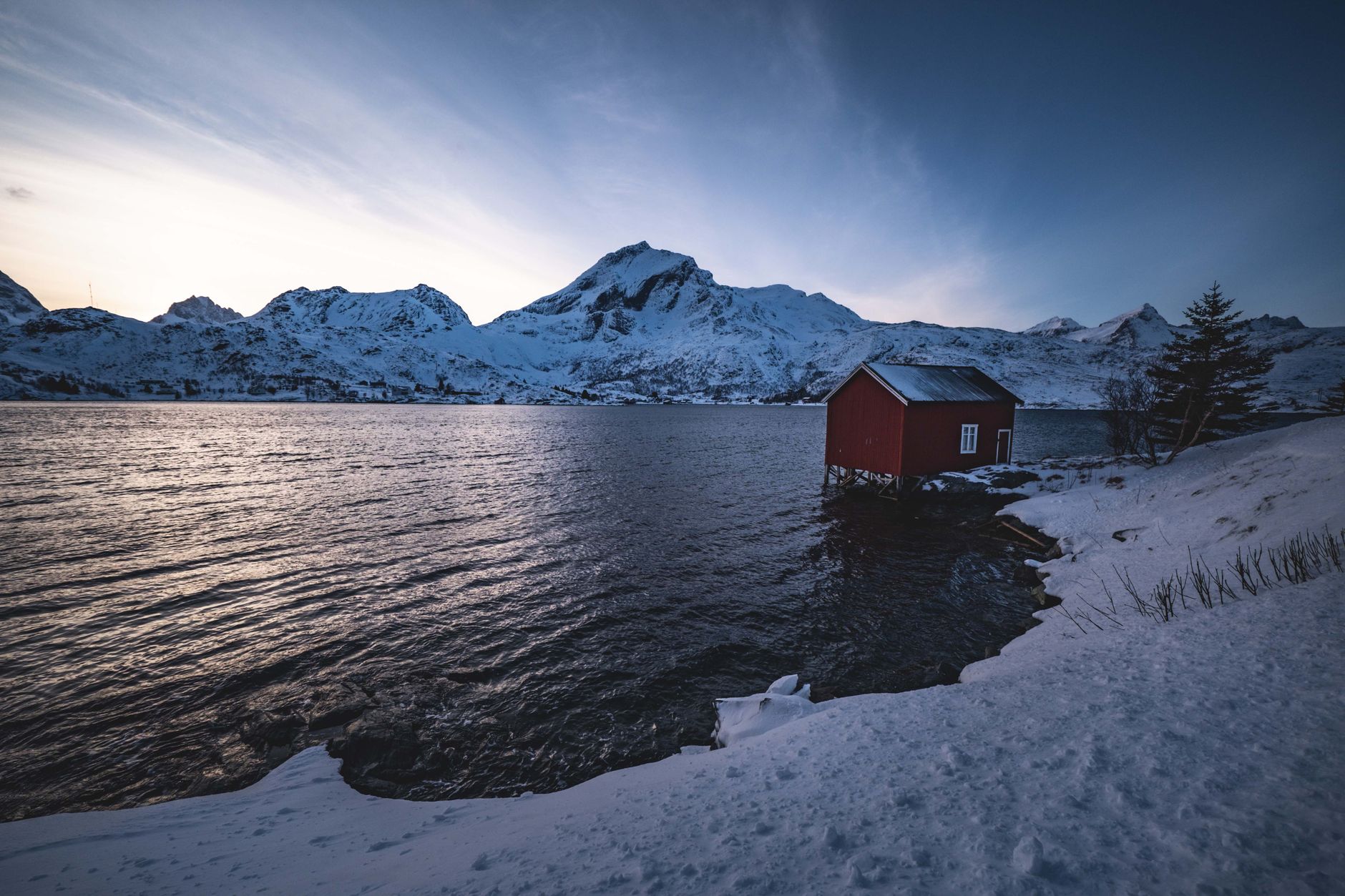
To arrive in the Lofoten archipelago during the deep twilight of late autumn is to witness daylight reduced to a delicate golden sliver hovering above the Norwegian Sea. Here, the North Atlantic crashes against granite needles that rise directly from the foam, creating a landscape of astonishing vertical drama.
For centuries, the fishermen of Reine and Henningsvær built rorbuer—simple timber cabins perched on stilts over tidal surges. In recent decades, a subtle architectural revival has reinterpreted these shelters. Contemporary Nordic architects have harnessed charred pine, triple-glazed expanses, and geo-thermal warms to craft shelters where one can observe gales without hearing so much as a whistle.
"In the sub-arctic dark, solitude ceases to be an absence of noise and emerges as an active, restorative presence."
The Principle of Friluftsliv
Norwegians cultivate an abiding commitment to friluftsliv—literally, 'open-air living.' Irrespective of temperatures plunging below zero, residents step into down parkas to navigate the snow-dusted shoreline before lighting a birchwood hearth. The rhythm teaches the visiting traveler to slow respiration and match the pace of changing weather fronts.
- Optimal Observation Window: Late November through February for solar quiet and northern atmospheric luminescence.
- Attire Directive: Merino base garments, wind-impenetrable technical wool shells, and spiked trail footwear.
- Cuisine Notes: Cod tongue pan-fried with winter chanterelles and aged local root purees.